
 Connect on WhatsApp
Miami continues to attract a significant share of global capital—and for foreign investors, the U.S. real estate market remains one of the most accessible in the world.
There are no restrictions on foreign ownership of property in the United States. Investors can acquire residential or commercial real estate directly, without requiring citizenship, residency, or special permits.
But accessibility is not the advantage.
The advantage lies in how the investment is structured.
Florida offers a clear headline benefit: no state income tax. This means foreign investors are not subject to state-level tax on rental income or capital gains.
However, federal taxation still applies.
Rental income is typically subject to U.S. tax, and without proper structuring, it can default to a 30% tax on gross income.
Sophisticated investors almost always make what is known as a net election (ECI election)—allowing them to deduct expenses and be taxed only on net income instead.
This single decision materially changes the return profile.
One of the most important—and often misunderstood—elements is FIRPTA (Foreign Investment in Real Property Tax Act).
When a foreign investor sells U.S. real estate:
Advanced planning—such as filing for a withholding certificate—can reduce this burden.
This is where most value is either created—or lost.
Foreign investors typically do not purchase in their personal name.
Instead, they consider structures such as:
Why this matters:
This is not a detail—it is a core part of the investment.
Many foreign investors are not purely yield-driven.
They are allocating capital for:
Miami, in particular, functions as a gateway market between:
This creates consistent demand from global buyers, supporting long-term pricing dynamics.
For foreign investors, returns are rarely driven by simply “owning property in Miami”
They are driven by:
This is why two investors can enter the same market—and have entirely different outcomes.
Miami offers one of the most compelling entry points for global real estate capital.
But at the highest level, this is not a market defined by access—it is defined by precision.
For foreign investors, the difference between a good investment and an exceptional one is rarely the asset itself.
It is how the investment is structured, timed, and positioned from the beginning.
If you’re considering acquiring property in Miami as a foreign investor, our team is happy to guide you through structuring, positioning, and identifying the most strategic opportunities currently available.
Note: This is not tax or legal advice. Investors should consult qualified U.S. tax and legal counsel before acquiring property.
 Give us a call
Featured opportunities
![[background image] image of modern building exterior (for a property management company)](https://cdn.prod.website-files.com/681a5e4efe6435455d3cb561/69f3c9e81391740bb0be7ebe_1-777x518.jpeg)
A boutique oceanfront ultra-luxury boutique development, offering expansive residences with private elevator entry and direct Atlantic views.
From ~$4M · Delivery 2027
![image of a busy downtown area for a mobility and transportation business [background image]](https://cdn.prod.website-files.com/681a5e4efe6435455d3cb561/69f3cbb6ed30d6016e41a078_Rendering-of-THE-WELL-Coconut-Grove-Main-Entrance.jpg)
A new standard of wellness, integrating luxury residences with spa, fitness, and holistic health experiences in a lush tropical setting.
From ~$1.5M · Estimated completion 2028
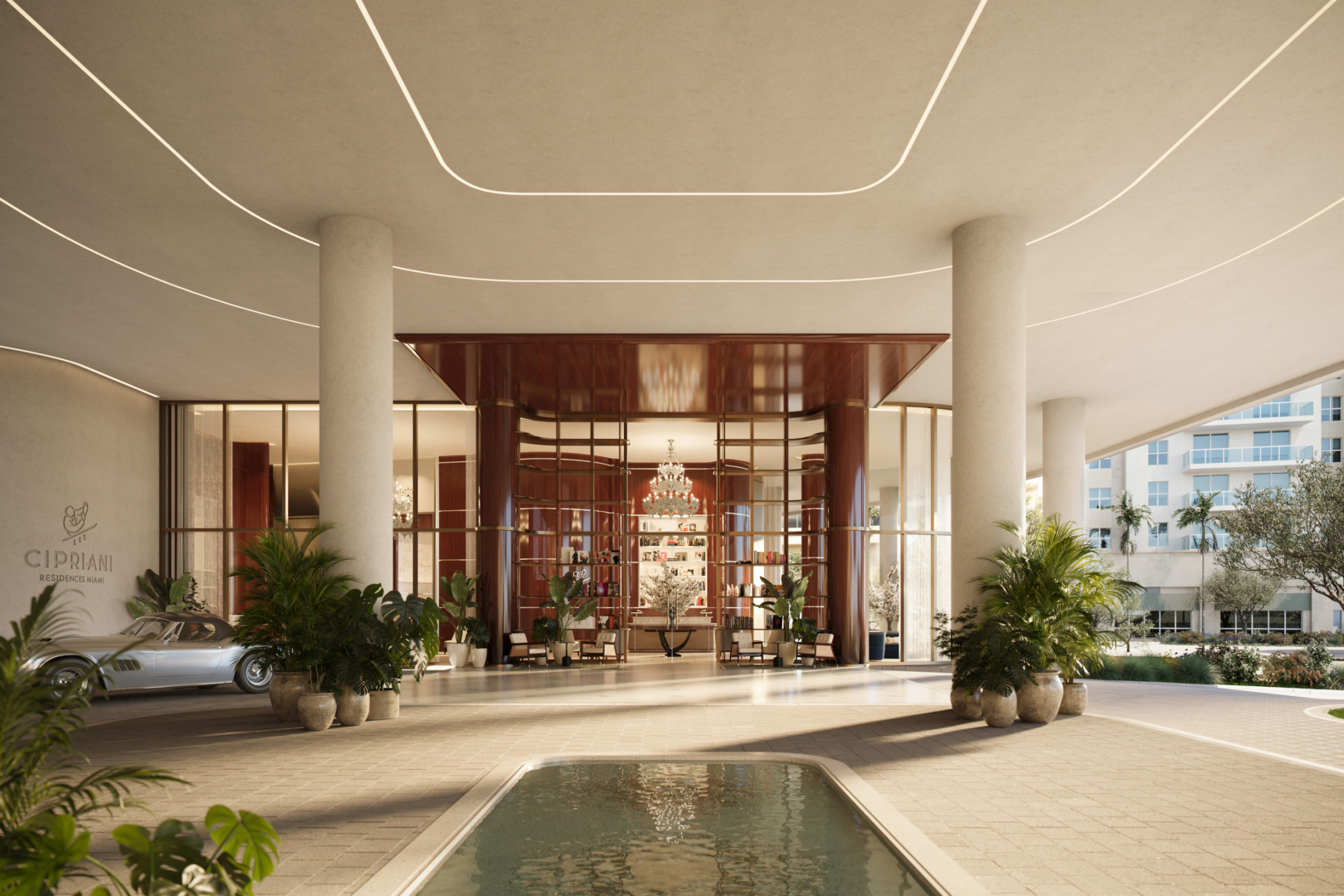
Branded waterfront living in Brickell, offering refined residences with signature Cipriani service and expansive bay views.
From ~$1.7M · Delivery 2027
![[background image] image of a cityscape (for a ai legal tech company)](https://cdn.prod.website-files.com/681a5e4efe6435455d3cb561/69f3cc33cecbc47431d1c489_RENDERINGS-Waldorf_Astoria-scaled.jpg)
A landmark luxury tower redefining the Miami skyline, offering fully serviced residences with panoramic bay and city views.
From ~$1.1M · Delivery 2028
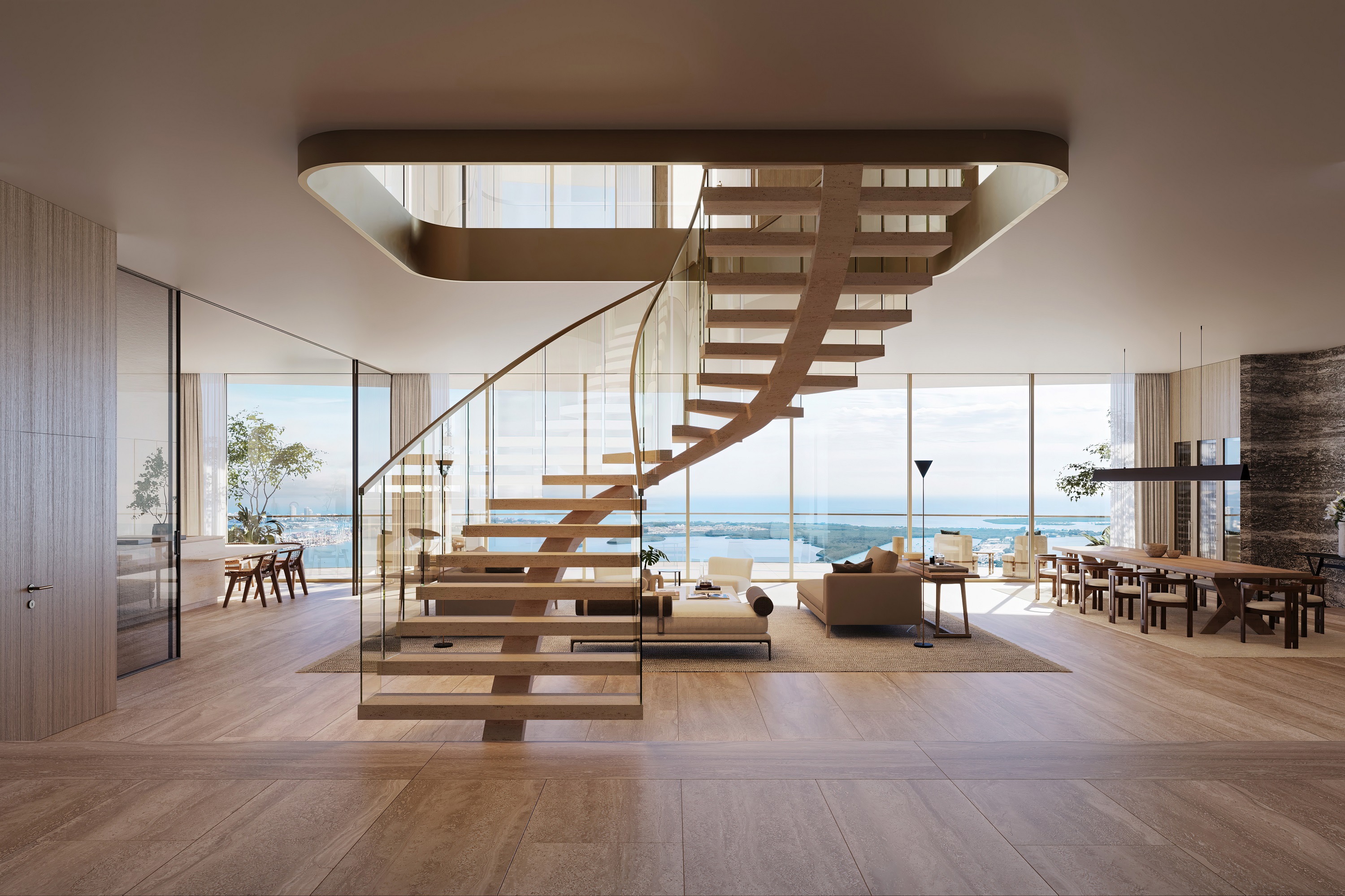
A forward-thinking luxury tower defined by its solar-powered façade, offering expansive, private residences in the center of Brickell.
From ~$4.4M · Estimated completion 2027
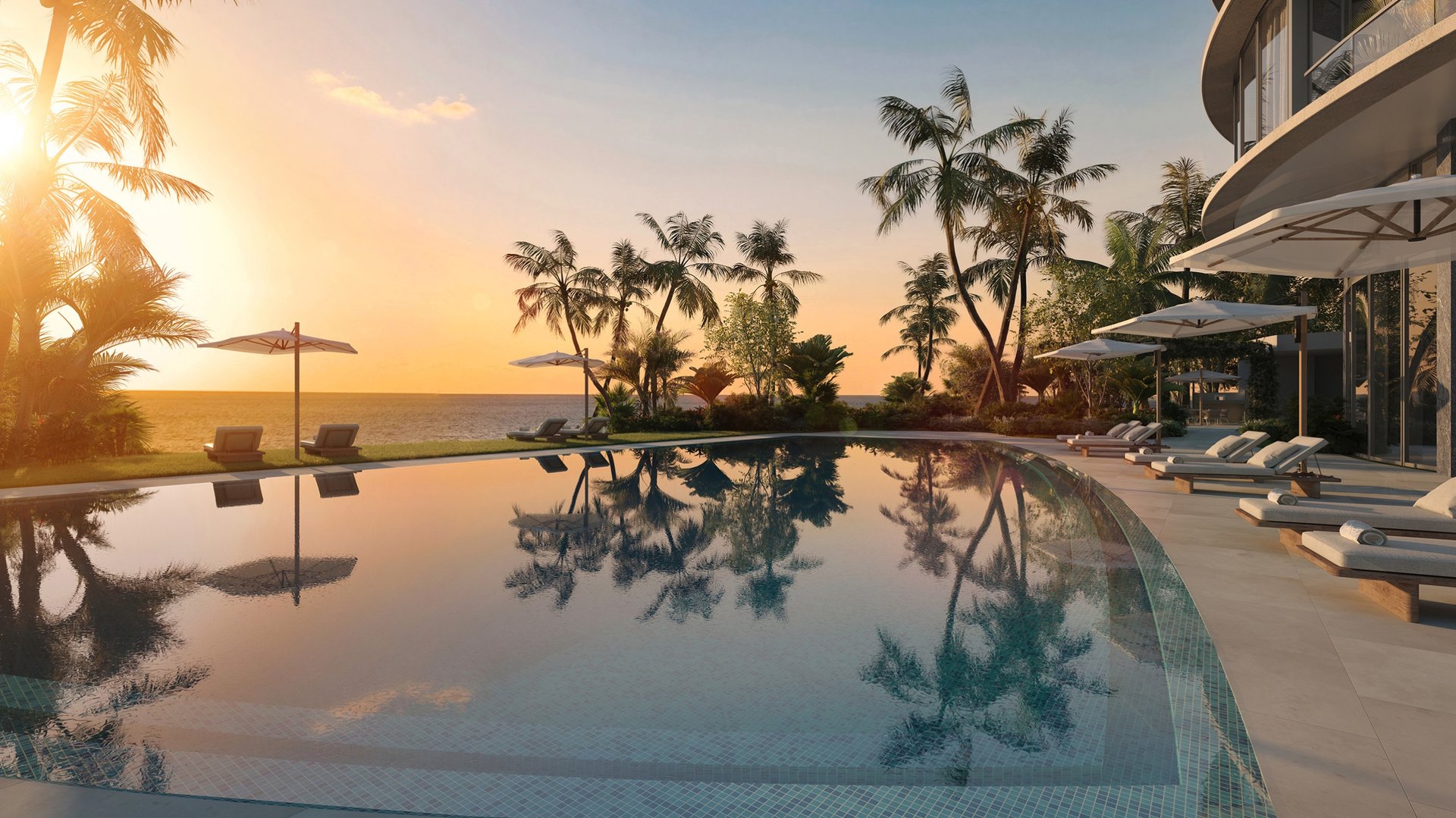
A boutique development offering expansive 3-8 bedroom residences with direct beach access in one of Miami’s most exclusive enclaves.
From ~$13M · Delivery 2027

Four Seasons service in a charming, tree-lined Grove setting, offering expansive layouts, privacy, and a more relaxed, residential feel.
From ~$7M · Delivery 2027
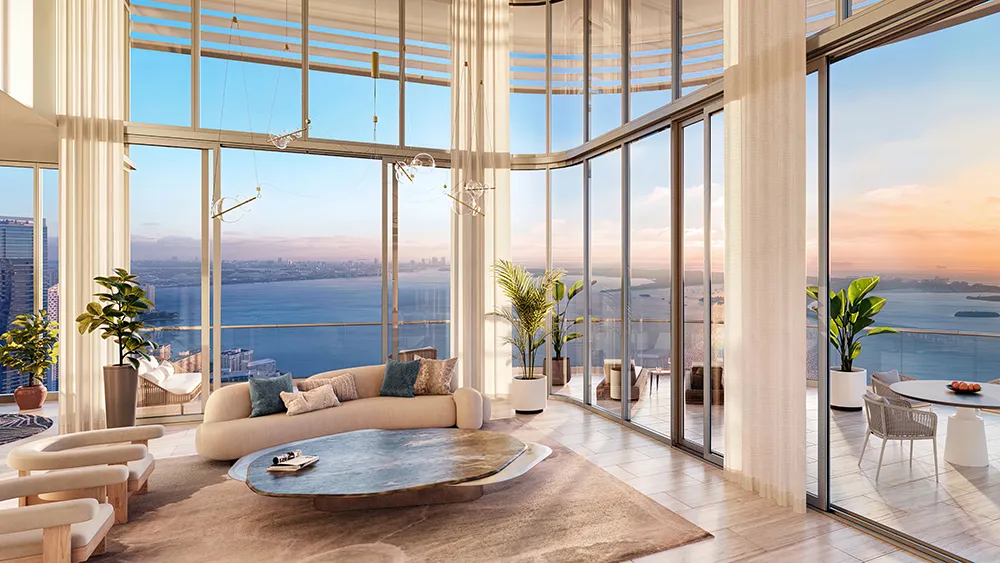
Ultra-luxury waterfront living with private marina access, signature butler service, and expansive bayfront residences.
From ~$5M · Delivery 2027
Connect with us
+1 305 725 9200